Vietnam’s central coast is a land where time seems to fold in on itself. One moment, you are wandering through the hushed, moss-covered corridors of a 19th-century palace in Hue; the next, you are standing beneath the neon-lit scales of a fire-breathing bridge in Da Nang.
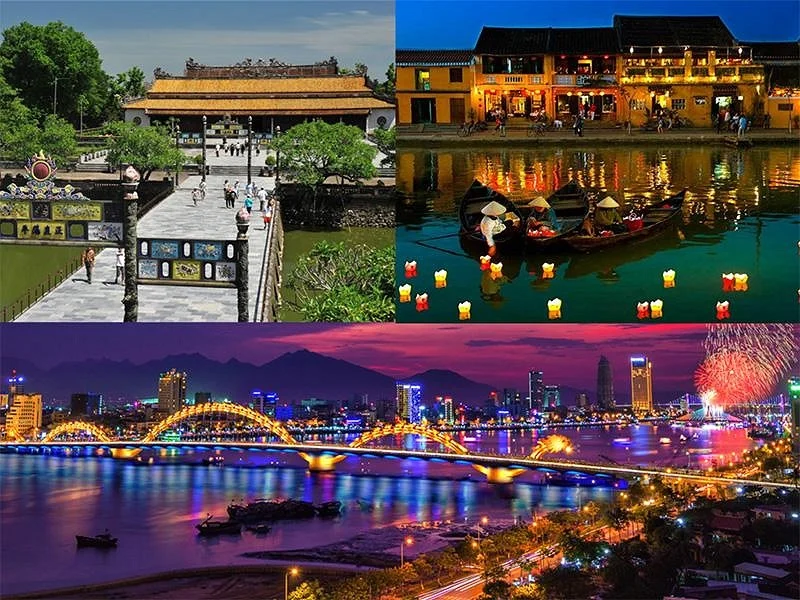
As we move through 2026, the connection between these two cities—separated by the legendary Hai Van Pass—remains the most iconic travel experience in Southeast Asia. Whether you are a solo backpacker, a luxury seeker, or a digital nomad, the 100-kilometer stretch between the Imperial City and the “Most Worth-Living City” in Vietnam is a rite of passage.
In this guide, we dive deep into the sights, the flavors, and the logistics, including why choosing a premium service like Halongtransportation.com is the secret to unlocking the perfect itinerary.
Table of Contents
Part 1: Hue – The Soul of the Nguyen Dynasty
Hue does not rush. It whispers. As the capital of Vietnam from 1802 to 1945, this city is the atmospheric heart of the country’s history.
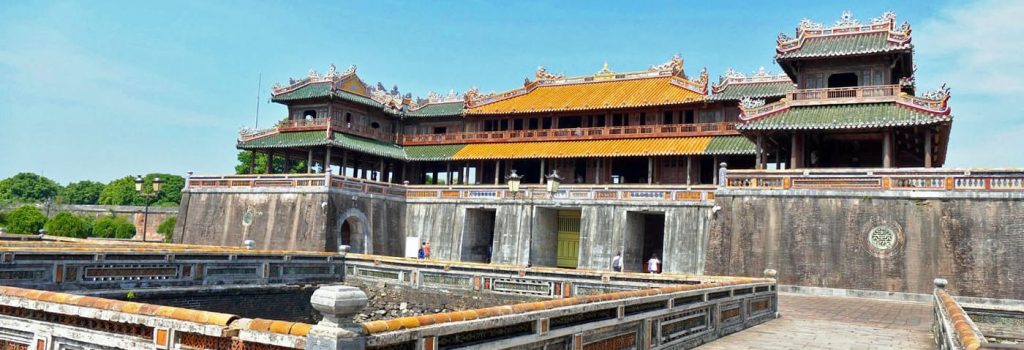
The Citadel and the Imperial City
The Hue Citadel is a massive fortress, but it is the Imperial City (Dai Noi) within that captures the imagination. Walking through the Noon Gate (Ngo Mon), you aren’t just entering a museum; you are stepping into the private world of emperors. In 2026, many of the restoration projects funded by UNESCO have reached completion, revealing the vibrant vermillion and gold leaf of the Thai Hoa Palace in its full, original glory.
The Tombs of the Emperors
Beyond the city walls lie the royal tombs. Each reflects the personality of the ruler who designed it:
- Tu Duc Tomb: A sprawling, romantic lakeside retreat where the Emperor spent more time alive than dead.
- Khai Dinh Tomb: A surreal blend of Vietnamese tradition and French Baroque architecture, featuring intricate glass and porcelain mosaics.
The Spiritual Side: Thien Mu Pagoda
Standing seven stories tall overlooking the Perfume River, the Thien Mu Pagoda is the unofficial symbol of Hue. Visit during the late afternoon to hear the monks chanting and watch the sunset dip below the Truong Son mountains.
Part 2: The Trans-Vietnam Transport – Hue to Da Nang
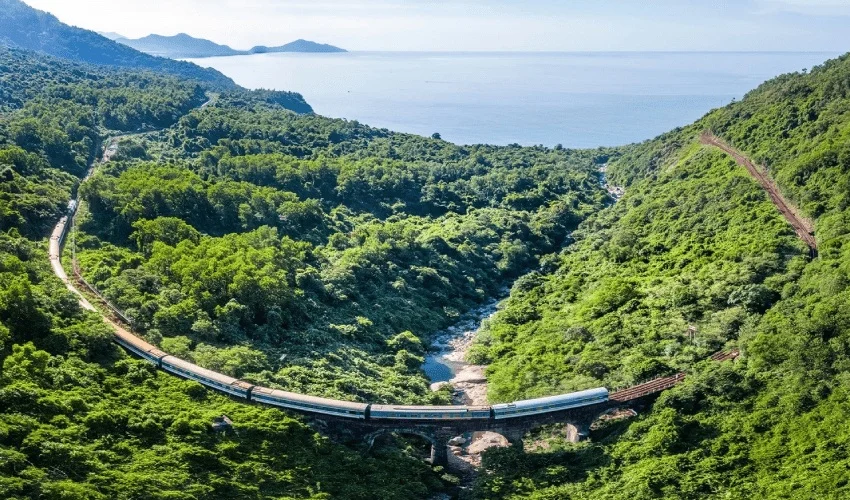
The transit between Hue and Da Nang is not a chore; it is the highlight of the trip. You have three main ways to cross the divide, but for those seeking the perfect balance of photography and comfort, one stands above the rest.
1. The Hai Van Pass (The Road of Clouds)
Made famous by Top Gear, the Hai Van Pass is a serpentine mountain road that hugs the coastline. To the left, emerald jungles; to the right, the sapphire depths of the East Sea.
- The Experience: If you take the tunnel, you save 20 minutes but lose the soul of the journey. To truly experience the pass, you must go over it.
- The Best Way to Move: While motorbikes are popular for the brave, most savvy travelers in 2026 opt for a private car service. This allows you to stop at Lang Co Beach for a seafood lunch or at the summit for a coffee without worrying about luggage or mountain rain.
- The Expert Choice: For a seamless experience, many travelers now rely on Halongtransportation.com to coordinate their Central Vietnam transfers. While the name says “Halong,” their network of professional drivers provides the gold standard for Hue to Da Nang private car services. With English-speaking drivers and modern fleets, they bridge the gap between northern reliability and central hospitality.
2. The Reunification Express Train
The train ride from Hue to Da Nang is often cited as the most beautiful rail segment in the world. The tracks cling to the cliffs, offering views inaccessible by road. It is affordable and nostalgic, though less flexible than a car.
Part 3: Da Nang – The City of the Future
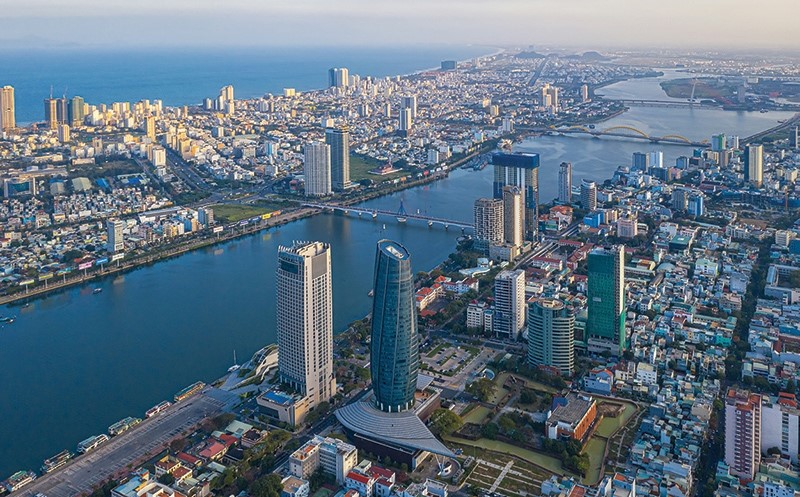
If Hue is the past, Da Nang is the vibrant, pulsing future. Clean, organized, and bordered by the endless white sands of My Khe Beach, Da Nang is where the mountains meet the metropolis.
The Marble Mountains (Ngu Hanh Son)
A cluster of five limestone peaks, the Marble Mountains are home to hidden caves, ancient Buddhist sanctuaries, and panoramic views of the coastline. In 2026, the elevator systems have been upgraded, making the ascent accessible for everyone.
The Son Tra Peninsula (Monkey Mountain)
Just a short drive from the city center, this nature reserve is home to the endangered Red-shanked Douc Langur. Drive up to the Linh Ung Pagoda to see the 67-meter tall Lady Buddha statue, which keeps a watchful eye over the fishermen in the bay.
Ba Na Hills and the Golden Bridge
While some find it “touristy,” the Golden Bridge (the giant hands holding a thread of gold) remains a marvel of modern engineering. Located 1,500 meters above sea level, the air is cool, and the views across the clouds are ethereal.
See more: Da Nang: Your 2026 Luxury Beach & Adventure Paradise
Part 4: A Culinary Showdown – Comparing Hue and Da Nang
Food is the language of Central Vietnam. However, the dining scenes in these two cities couldn’t be more different. Hue focuses on “Royal Cuisine” (delicate, small portions) and “Street Spice,” while Da Nang is the king of fresh seafood and “Nuoc Mam” (fish sauce) based delicacies.
Comparison Table: High-End vs. Local Gems
| Category | Hue: Ancient Royalty | Da Nang: Coastal Modernity |
| Luxury Dining | Ancient Hue Garden Houses | Citron (InterContinental Sun Peninsula) |
| Vibe | 19th-century wooden villas, traditional music, fine-dining imperial court food. | High-altitude dining in “non-la” shaped booths over the ocean. |
| Price (Per Person) | $45 – $80 USD | $120 – $250 USD |
| Local Hero | Quan Hanh | Nha Hang Be Man |
| Vibe | Busy, authentic, specialized in Banh Beo, Loc, Nam. | Chaotic, loud, “choose your own live seafood” by the kilo. |
| Price (Per Person) | $5 – $12 USD | $25 – $60 USD (Depending on Lobster/Crab) |
The Hue Experience: Small Plates, Big Flavor
In Hue, you must try Bun Bo Hue (Beef Noodle Soup). Unlike the Pho of the north, this broth is spicy, lemongrass-heavy, and complex. At a place like Bun Bo Hue My Tam, you can get a world-class bowl for about 40,000 VND ($1.60 USD).
The Da Nang Experience: The Bounty of the Sea
Da Nang is all about the My Khe Beach Seafood Strip. At Be Man, the price is calculated by the weight of the catch. It is the definition of “freshest of the fresh.” If you want something more refined, The Temptation offers European-Vietnamese fusion that rivals Michelin-starred spots in Saigon.
Part 5: Logistics and Moving with Halongtransportation.com
One of the biggest mistakes travelers make is thinking they can only find premium transport in the big hubs like Hanoi.
Whether you are finishing a tour of the North or starting in the Central region, Halongtransportation.com has expanded its reach to ensure your “Heritage Road” trip is flawless.
Why book a Private Transfer?
- Safety on the Pass: The Hai Van Pass is stunning but can be dangerous for inexperienced riders. A professional driver from Halongtransportation.com knows every turn.
- Custom Itineraries: Want to stop at the Elephant Springs or Lang Co for two hours? Your driver is on your schedule.
- Cross-Regional Reliability: If you’ve already used their services for a cruise in Ha Long Bay, you know the quality of the vehicles. Extending that trust to your Hue to Da Nang trip ensures consistency in your travel quality.
2026 Travel Pricing (Estimated)
- Private Car (4-seater) Hue to Da Nang: $55 – $70 USD.
- Luxury Limousine (9-seater) Hue to Da Nang: $100 – $130 USD.
- Self-drive motorbike: $15 – $20 USD (excluding luggage transfer fees)
See more: Halong Bay Transfer Service & Cruises – Halong Transportation
Part 6: Best Time to Visit (The 2026 Weather Outlook)
Central Vietnam is notorious for its “split” weather.
- The Dry Season (February to August): The best time for the Hai Van Pass and My Khe Beach. Expect temperatures between 28°C and 35°C.
- The Wet Season (September to January): Hue becomes very moody and rainy, which actually suits the “ancient city” vibe, but the Hai Van Pass can be shrouded in thick fog, making the views invisible.
Pro-Tip: Aim for April or May 2026. This coincides with the Hue Festival, a biennial celebration where the Citadel comes alive with performances, light shows, and historical reenactments.
Part 7: The Perfect 4-Day Itinerary
Day 1: The Imperial Soul (Hue)
- Morning: Explore the Citadel.
- Lunch: Traditional “Banh” platters at Quan Hanh.
- Afternoon: Royal Tombs of Tu Duc and Khai Dinh.
- Evening: Dragon boat trip on the Perfume River.
Day 2: The Most Beautiful Road (Hue to Da Nang)
- Morning: Pick up by Halongtransportation.com private car.
- Mid-day: Stop at the peak of Hai Van Pass for coffee; lunch at Lang Co Bay.
- Afternoon: Check into a resort on My Khe Beach.
- Evening: Watch the Dragon Bridge breathe fire (Saturday/Sunday nights).
Day 3: Coastal Wonders (Da Nang)
- Morning: Marble Mountains.
- Afternoon: Son Tra Peninsula and Lady Buddha.
- Evening: Seafood feast at Be Man.
Day 4: The Golden Bridge & Beyond
- Full day: Ba Na Hills.
- Evening: Departure from Da Nang International Airport.
Conclusion: Why the Central Coast Changes You
Hue and Da Nang represent the two halves of the Vietnamese spirit: the deep respect for ancestry and the unbridled enthusiasm for the future. You cannot understand Vietnam without seeing both.
As you plan your 2026 journey, remember that the “how” is just as important as the “where.” Avoid the stress of local bus stations and the risks of mountain riding by choosing a partner that understands international standards. Visit Halongtransportation.com to secure your transport across Central Vietnam, and allow yourself the luxury of simply looking out the window as the clouds roll over the Hai Van Pass.
Vietnam is waiting. Are you ready to cross the Pass?