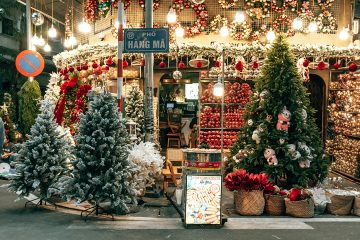
As the wheel of time turns, the world eagerly anticipates the arrival of Tết Nguyên Đán 2026, the most sacred and magnificent festival in the Vietnamese calendar. More than just a transition between years, Tết is the heartbeat of Vietnam—a profound symphony of family reunions, spiritual reverence, and a vibrant showcase of heritage that has survived and flourished for millennia. In 2026, we welcome the Year of the Horse (Bính Ngọ), a symbol of strength, perseverance, and galloping success.
For travelers and locals alike, Tết 2026 promises an immersive sensory explosion. From the misty mountains of Sapa to the emerald waters of Halong Bay and the bustling streets of Hanoi, the spirit of the Lunar New Year will paint the nation in shades of crimson and gold. This comprehensive guide explores every facet of the Vietnamese Lunar New Year 2026, offering a deep dive into its traditions, culinary delights, and the spiritual essence that makes it a “must-experience” event on the global cultural map.
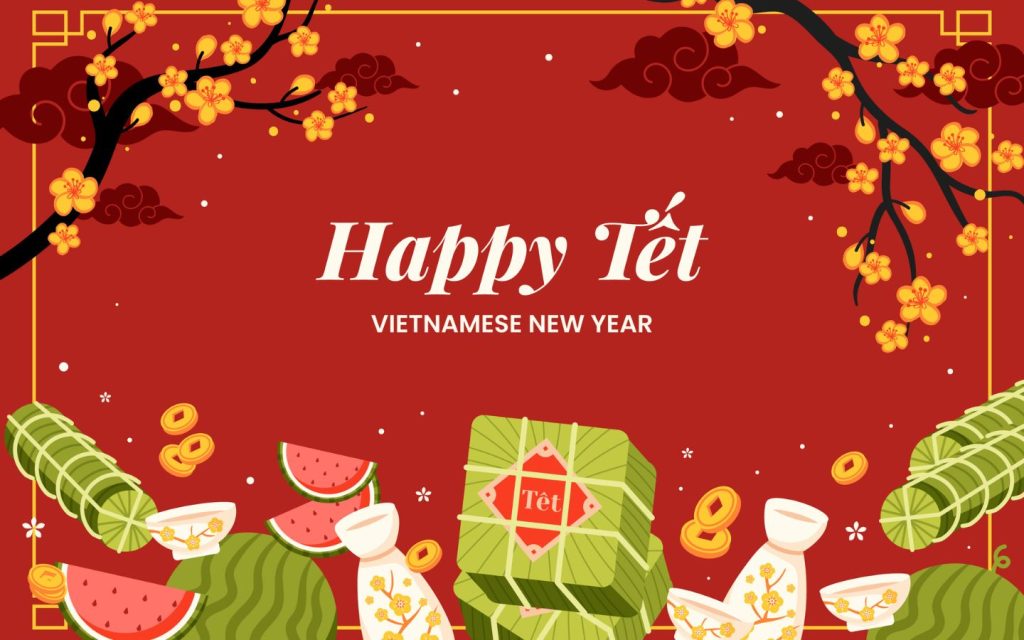
Table of Contents
1. The Significance of the Year of the Horse 2026 (Bính Ngọ)
In the Vietnamese zodiac, the Horse is a beloved figure representing speed, freedom, and an indomitable spirit. As we step into 2026 (Bính Ngọ), the element of Fire (Bính) combines with the Horse, suggesting a year of high energy, breakthroughs, and rapid progress.
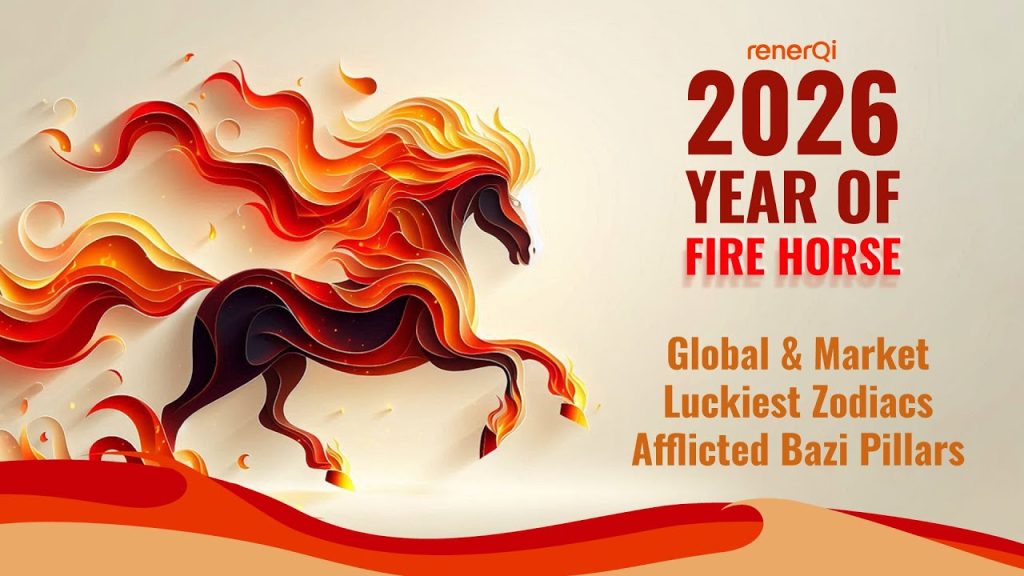
The Horse is traditionally associated with “Mã Đáo Thành Công” (Success upon arrival). For the Vietnamese people, Tết 2026 is not just a holiday; it is a launchpad for dreams. The vibrant energy of this zodiac sign influences everything from house decorations to the prayers offered at ancient pagodas. Expect the celebrations to be more spirited than ever, reflecting the dynamic nature of a nation that is constantly moving forward while holding its traditions close to its heart.
2. The Prelude to Tết: The Rhythms of Preparation
The weeks leading up to Tết Nguyên Đán 2026 are characterized by a feverish yet joyful preparation known as Sắm Tết. This is when the atmosphere across Vietnam transforms into a living painting.
The Legend of the Kitchen Gods (Ông Công Ông Táo)
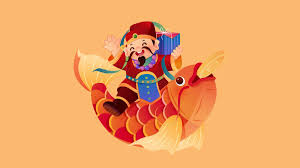
The official start of the Tết season is the 23rd day of the 12th lunar month. On this day, families perform a ritual to see off the Kitchen Gods as they fly to heaven on the back of a golden carp to report the family’s deeds to the Jade Emperor. In 2026, this ritual will see millions of vivid orange carps released into lakes and rivers, symbolizing a cleansing of the past and a hope for a righteous future.
Cleaning and Decorating: Sweeping Away Misfortune
A crucial tradition is the thorough cleaning of the home. Every corner is scrubbed, and every window polished. In the Vietnamese mindset, cleaning is a symbolic act of “sweeping away” the bad luck and dusty remnants of the old year to make room for the fresh blessings of the new one.
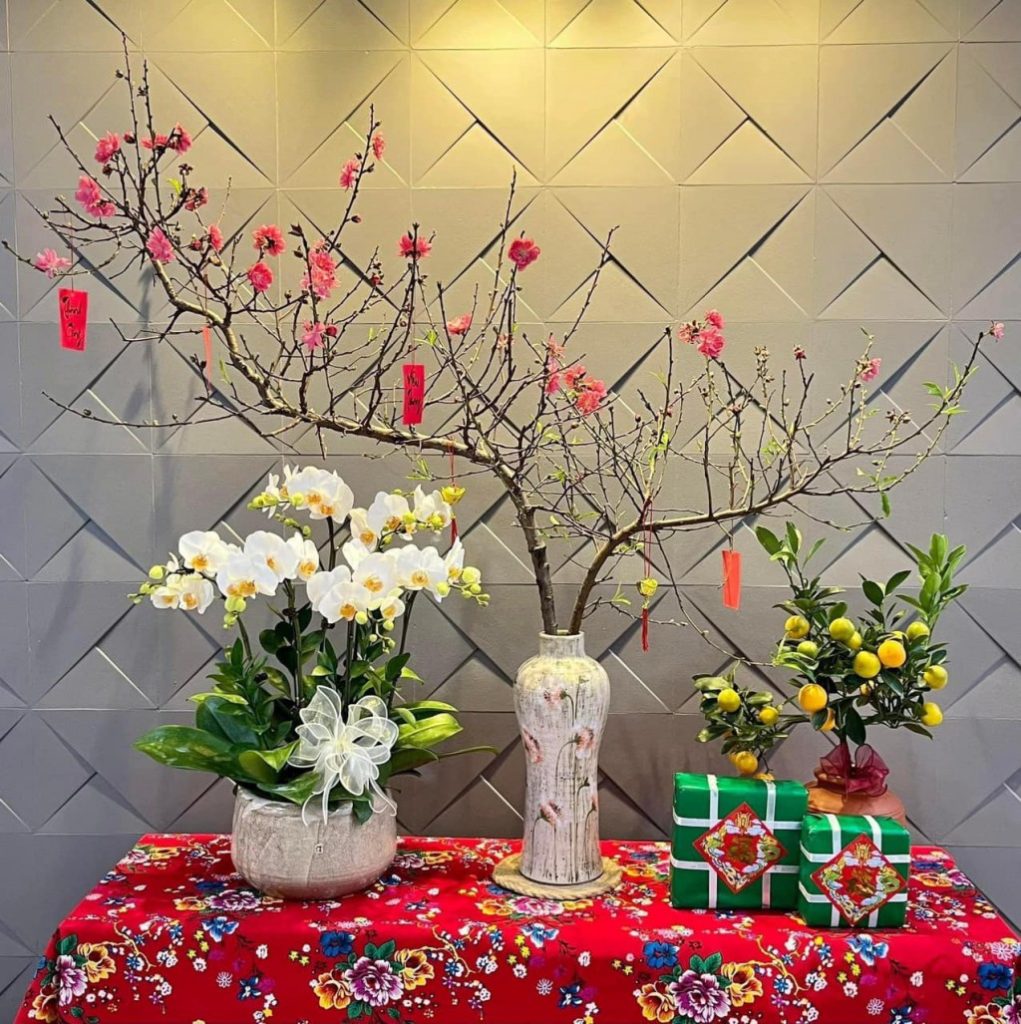
Houses are adorned with Hoa Đào (Peach Blossoms) in the North, representing refinement and protection, or Hoa Mai (Ochna/Yellow Apricot Blossoms) in the South, symbolizing wealth and nobility. The vibrant orange of Kumquat trees, laden with fruit, stands at the entrance of homes and shops, representing fertility and abundance for the coming year.
3. The Spiritual Essence: Ancestor Worship and the Giao Thừa Moment
At the core of Tết Nguyên Đán 2026 is the profound connection between the living and the departed. The ancestral altar in every Vietnamese home becomes the focal point of the festival. It is meticulously decorated with a Mâm Ngũ Quả (Five-Fruit Tray), incense, and traditional offerings.
The Five-Fruit Tray: A Prayer in Color
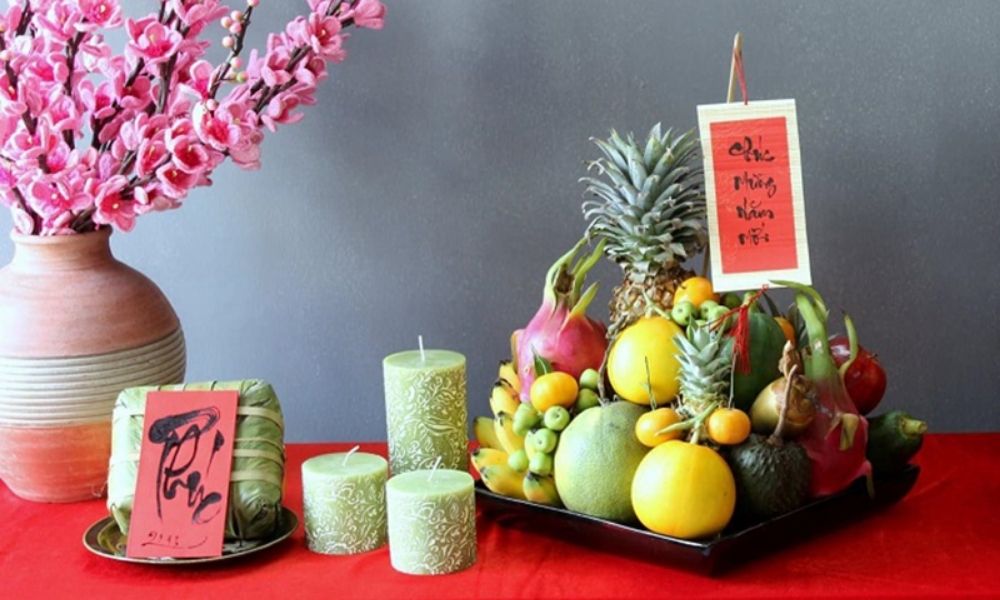
Each fruit in the tray represents a wish. In the North, the tray often includes pomelos, bananas, persimmons, pears, and tangerines. In the South, the selection often follows a linguistic pun: “Mãng Cầu, Sung, Dừa, Đủ, Xoài” (Soursop, Fig, Coconut, Papaya, Mango), which sounds like “Praying for just enough wealth to spend.”
Giao Thừa: The Sacred Transition
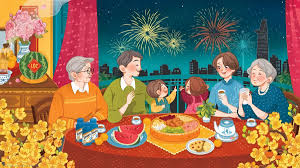
As the clock strikes midnight on the eve of the Year of the Horse, the moment of Giao Thừa (New Year’s Eve) occurs. This is the transition between the old and the new. In cities like Hanoi and Ho Chi Minh City, fireworks will illuminate the sky, while in the countryside, the air is thick with the scent of incense as families perform outdoor and indoor offerings to welcome the new administrative deities of the year. It is a moment of absolute stillness and hope.
4. The Culinary Symphony of Tết
You cannot truly understand Tết without tasting it. The cuisine of the Lunar New Year is a masterclass in balance, preservation, and symbolism.
Bánh Chưng and Bánh Tét: The Soul of the Earth and Sky
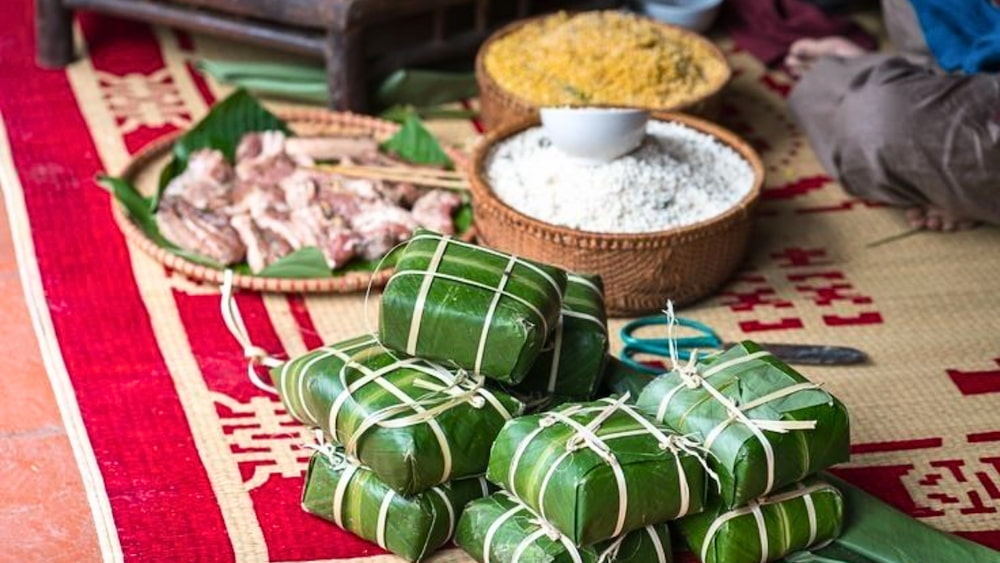
The most iconic dish is Bánh Chưng (Square Sticky Rice Cake) in the North and Bánh Tét (Cylindrical Rice Cake) in the South. Made from glutinous rice, mung beans, and fatty pork wrapped in Dong leaves, these cakes are boiled for over 10 hours. Sitting around the boiling pot of Bánh Chưng in the cold winter air is the quintessential childhood memory for many Vietnamese, a time for storytelling and family bonding.
Essential Delicacies
- Thịt Kho Tàu: Braised pork with eggs in coconut water, representing a harmonious family.
- Dưa Hành & Củ Kiệu: Pickled onions and leeks that provide a sharp, refreshing contrast to the rich meats.
- Hạt Dưa & Mứt Tết: Roasted melon seeds and candied fruits (ginger, coconut, lotus seeds) served to guests alongside hot green tea.
5. First Days of the New Year: Rituals of Luck and Love
The first three days of Tết 2026 are carefully orchestrated to set the tone for the rest of the year.
- Day 1 (Tết Cha): Reserved for the paternal side of the family. This is when the “Xông Đất” (First Footer) ritual happens. The first person to enter a home after midnight is believed to determine the family’s fortune.
- Day 2 (Tết Mẹ): Dedicated to visiting the maternal side, reinforcing the bonds of the extended family.
- Day 3 (Tết Thầy): A beautiful tradition of visiting teachers, showing the deep-rooted Vietnamese value of “Respect the teacher, obey the law.”
Lì Xì: The Red Envelope Tradition
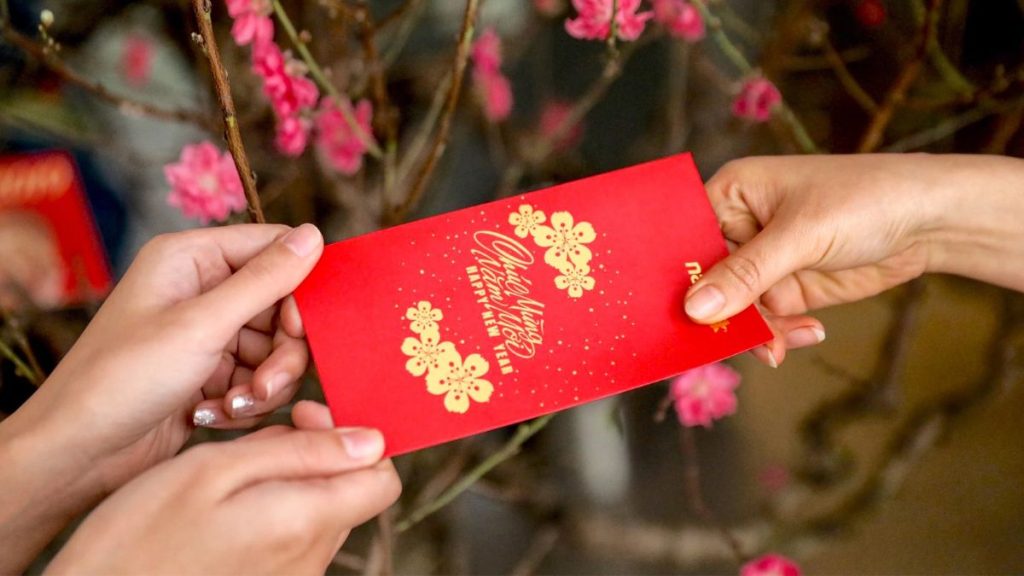
Children and elders receive Lì Xì (Lucky Money) in bright red envelopes. The amount is less important than the red color, which symbolizes luck, protection, and the warding off of evil spirits. It is a gesture of passing on good fortune from one generation to the next.
6. Traveling during Tết 2026: A Unique Experience
Traveling to Vietnam during Tết 2026 offers a double-edged sword: while some shops may close, the cultural richness is at its peak.
Hanoi: The Heart of Tradition
Hanoi during Tết is hauntingly beautiful. The usually chaotic streets become quiet and misty. Walking around Hoan Kiem Lake, visiting the Temple of Literature for “Xin Chữ” (calligraphy), and smelling the “Mùi Già” (coriander water) used for traditional New Year baths is an experience that touches the soul.
Halong Bay: A Mystical New Year
Imagine celebrating the Year of the Horse on a traditional cruise amidst the limestone karsts of Halong Bay. The morning mist lifting to reveal the emerald water is the perfect metaphor for a new beginning. Many cruises offer special Tết programs, including Bánh Chưng making and traditional music performances.
Hoi An: The City of Lanterns
The ancient town of Hoi An becomes even more magical with thousands of lanterns illuminating the Hoai River. It is the perfect place to witness traditional games like Bài Chòi and enjoy the serene beauty of a town that feels frozen in time.
7. SEO Tips for Exploring Tết 2026
If you are planning your trip or writing about this event, keep in mind that Tết 2026 falls on January 17th, 2026. This is earlier than usual, so early booking is essential. Search for keywords like “Vietnam travel Lunar New Year 2026,” “Best places for Tết 2026,” and “Vietnamese New Year traditions” to stay ahead of the curve.
The beauty of Tết lies in its ability to adapt. While modern life brings smartphones and digital Lì Xì, the core values—gratitude, filial piety, and the hope for a brighter future—remain unchanged. In the Year of the Horse, the pace of life might be fast, but during Tết, everything slows down to the rhythm of a heartbeat, a breath, and a shared meal.
Conclusion: Start Your 2026 Journey with Ease
Tết Nguyên Đán 2026 is more than a holiday; it is the soul of Vietnam laid bare for the world to see. It is a time of vibrant colors, deep spiritual connections, and the warmest hospitality you will ever encounter. Whether you are coming to witness the calligraphy in Hanoi, the flower markets in Saigon, or the majestic sunsets in Halong Bay, the Year of the Horse invites you to gallop toward new adventures and lasting memories.
To ensure your journey during this busy season is as seamless as possible, professional transportation is key. During the Lunar New Year, domestic travel can be complex, and securing reliable transfers is essential for a stress-free holiday. For the best travel experiences, airport transfers, and customized tours to iconic destinations like Halong Bay, please visit Halongtransportation.com. Their dedicated service will help you navigate the beauty of Vietnam during the most magical time of the year, allowing you to focus entirely on the wonders of Tết 2026.
Happy New Year! Chúc Mừng Năm Mới 2026!